The AI Consultant Gave You a Deck. Now What?

Founder, ArchiHQ · 15+ industries · 140K+ leads generated
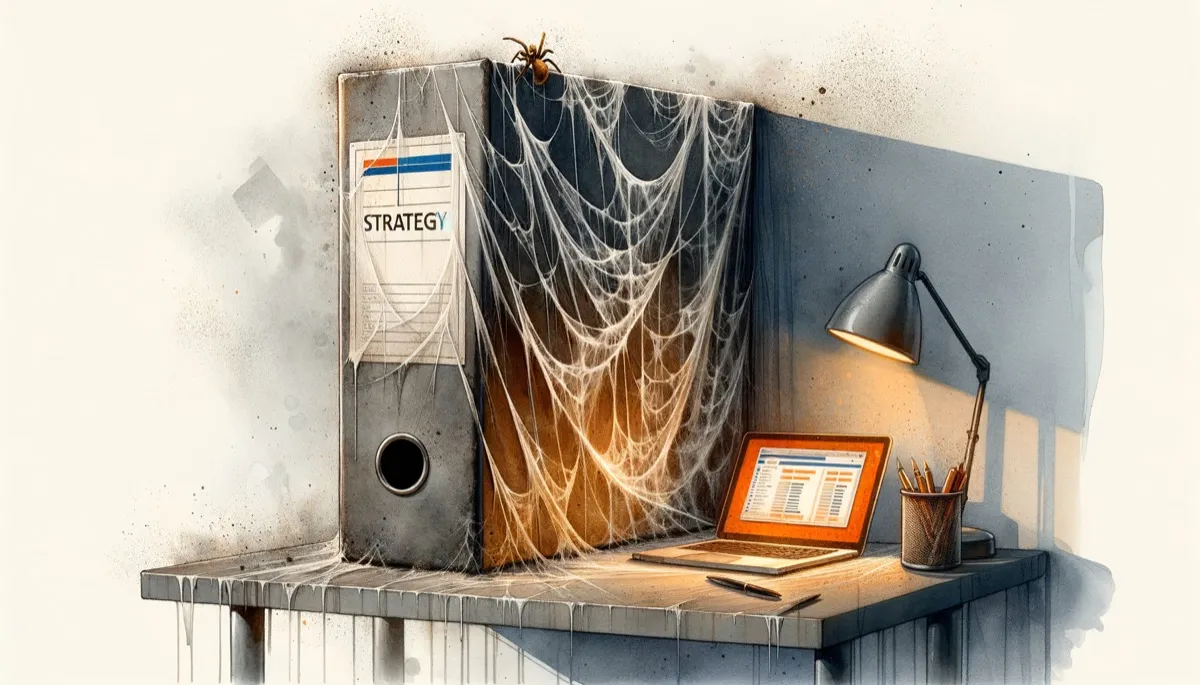
You had the meeting. You explained your business for 90 minutes. They asked smart questions. They nodded a lot. They said things like data-driven approach and scalable AI infrastructure. You felt good about it.
Then you got the invoice. $10,000. $15,000. $25,000. Depends on the firm. Depends on their logo.
Then you got the deliverable. A 60-page strategy deck. Beautifully formatted. Color-coded charts. Quadrant diagrams. A roadmap with phases and milestones stretching out to Q4 of next year.
And then nothing happened.
Nobody built anything. Nobody automated anything. The deck sat in a Google Drive folder. Your team looked at it once, decided it was too complex, and went back to doing everything by hand. Six months later, you are still manually following up with leads. Still copying data between spreadsheets. Still answering the same customer questions one at a time.
Sound familiar? You are not alone. This is the most common outcome of AI consulting engagements in 2026. And I want to explain why it happens and what to do about it.
Why the Deck Approach Fails
1. Strategy without execution is just a document
The deck tells you WHAT to do. It does not do it. And the gap between knowing what to do and having a working system is where 90% of AI projects die.
The consulting firm that wrote your deck does not build software. They advise. Their business model is selling knowledge, not shipping products. So they hand you a blueprint and say good luck finding someone to build it.
Now you need to hire a developer. Or an agency. Or another consultant. Each one needs to be onboarded from scratch. Each one charges their own fees. The $15,000 deck was just the cover charge.
2. The recommendations are too broad
A typical AI strategy deck says things like: implement a customer data platform with ML-driven segmentation and automated lifecycle marketing. That sounds impressive. It means nothing to the person who runs a 12-person services company and just wants leads to stop falling through the cracks.
The recommendations are written for the consultant's portfolio, not for your Tuesday morning. They need to look sophisticated because that justifies the price. But sophisticated does not mean useful.
3. The timeline is designed for the consultant, not for you
Phase 1: Discovery (4 to 6 weeks). Phase 2: Design (6 to 8 weeks). Phase 3: Development (8 to 12 weeks). Phase 4: Testing (4 weeks). Phase 5: Optimization (ongoing).
That is 6 to 8 months before you see anything working. In 6 months, your competitor has already automated their lead follow-up, built an AI agent for customer support, and is running ads with AI-generated creative.
Long timelines exist because the consulting model profits from duration. More phases means more invoices. Your urgency is not their urgency.
4. Nobody measured ROI
Did the deck include a clear ROI projection for each recommendation? Not in vague terms like increased efficiency. In real numbers. This automation will save 20 hours per week at $25 per hour, which is $26,000 per year. Build cost: $1,500. Payback period: 3 weeks.
Most decks do not do this because the consultants have never built the systems. They do not know what things cost to build because they do not build things.
What Should Have Happened Instead
Here is what a useful AI consulting engagement looks like:
Day 1: You describe the problem. In your own words. Voice note, text, screenshots. Not a 90-minute discovery call. Just the problem.
Day 2: You get a 1-page plan. Not 60 pages. One page. What we build, why it solves your problem, how long it takes, what it costs. Clear enough that you can explain it to your team in 2 minutes.
Days 3 to 5: The system gets built. Not designed. Not wireframed. Built. Working software. Tested. Deployed.
Day 5: You are using the system. It is doing the thing you needed it to do. Leads are getting followed up. Reports are generating automatically. Customer questions are being answered at 3 AM.
That is a 5-day engagement that produces a working system. Compare that to a 6-month engagement that produces a PDF.
What to Do If You Already Have the Deck
The deck is not worthless. It contains information about your business that someone spent time understanding. Here is how to extract value from it:
Step 1: Find the one recommendation with the highest ROI. Not the most interesting one. Not the biggest one. The one that saves the most time or money relative to what it costs to build. Usually it is lead follow-up automation or customer support automation.
Step 2: Ignore everything else for now. The deck has 15 recommendations. You need one. Build that one. See the results. Then decide if you want to build the second one.
Step 3: Hire someone who builds, not someone who advises. You already have the strategy. You need execution. Find someone who will take that one recommendation and turn it into working software in a week, not a quarter.
The ArchiHQ Approach
We do not write decks. We build systems. One flat price. Working software in 48 hours. You own the code.
If you already have a strategy deck from another consultant, bring it. We will read it. We will find the highest-ROI recommendation. We will build it. You will be using it by end of week.
If you do not have a deck, even better. Skip the deck entirely. Tell us what is eating your time. We build the fix.
Take the free assessment. 7 questions. 2 minutes. We send back a plan with the one thing you should build first and exactly what it costs.
Or check pricing to see the math. And read real case studies from businesses that got working systems instead of documents.
The deck was step zero. The system is step one. Let us get you to step one.